

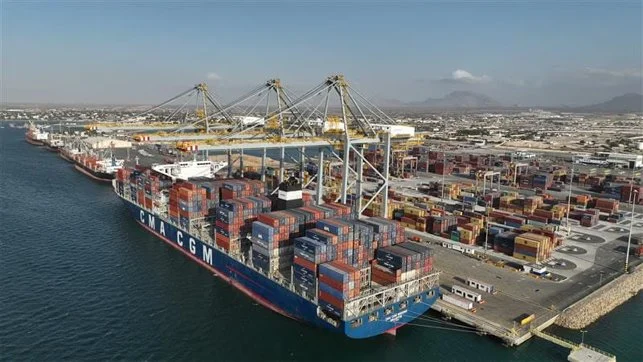
If you’re serious about building a career in Energy, these aren’t just “big words”… They are the language of the industry.
Upstream – Exploration and production of oil and gas
Midstream – Transportation and storage of hydrocarbons
Downstream – Refining and distribution of petroleum products
Reservoir – Underground rock formation containing hydrocarbons
Porosity – Ability of rock to store fluids
Permeability – Ability of rock to allow fluids to flow
Crude Oil – Unrefined petroleum from reservoirs
Natural Gas – Gaseous hydrocarbons found with or without oil
API Gravity – Measure of how heavy or light crude oil is
Drilling Mud – Fluid used to lubricate and cool the drill bit
Wellbore – The hole drilled to access oil/gas
Casing – Steel pipe inserted into the well for stability
Cementing – Process of sealing the wellbore with cement
Blowout – Uncontrolled release of oil or gas
BOP (Blowout Preventer) – Device used to prevent blowouts
Formation – Rock layer containing hydrocarbons
Logging – Recording subsurface formation data
Seismic Survey – Method of mapping underground formations
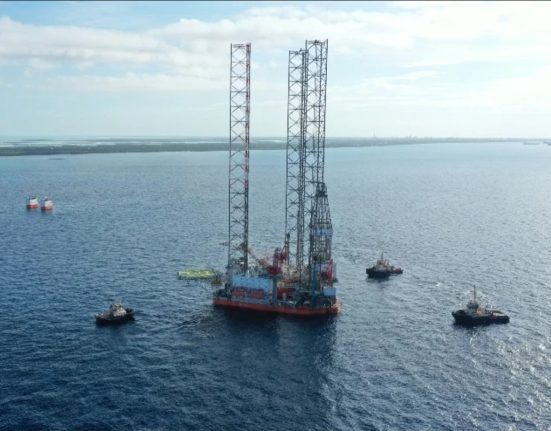
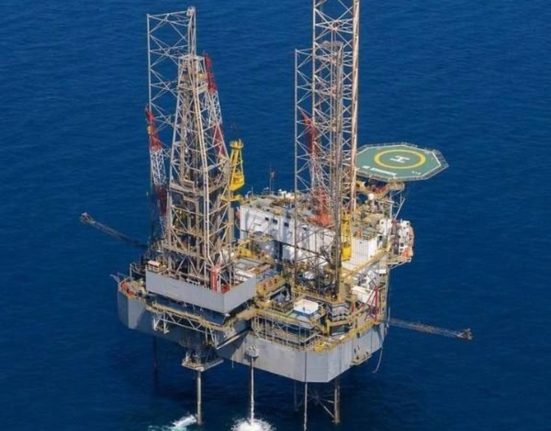
Rig – Equipment used for drilling wells
Completion – Preparing a well for production
Workover – Maintenance or repair of a well
Enhanced Oil Recovery (EOR) – Techniques to increase oil extraction
Hydraulic Fracturing – Creating fractures to improve flow
Offshore – Oil/gas operations at sea
Onshore – Operations on land
FPSO – Floating Production Storage and Offloading unit
Refinery – Facility where crude oil is processed
Distillation – Separation of crude into fractions
Petrochemicals – Chemicals derived from petroleum
LNG – Liquefied Natural Gas
Written By:
Eng.Yara Hossam Helmy
Supply Chain Community Founder

Leave feedback about this