

𝐖𝐡𝐲 𝐒𝐚𝐟𝐞𝐭𝐲 𝐒𝐭𝐨𝐜𝐤 𝐈𝐬 𝐍𝐨 𝐋𝐨𝐧𝐠𝐞𝐫 𝐎𝐩𝐭𝐢𝐨𝐧𝐚𝐥 – 𝐋𝐞𝐬𝐬𝐨𝐧𝐬 𝐟𝐫𝐨𝐦 𝐓𝐨𝐝𝐚𝐲’𝐬 𝐌𝐢𝐝𝐝𝐥𝐞 𝐄𝐚𝐬𝐭 𝐂𝐨𝐧𝐟𝐥𝐢𝐜𝐭:
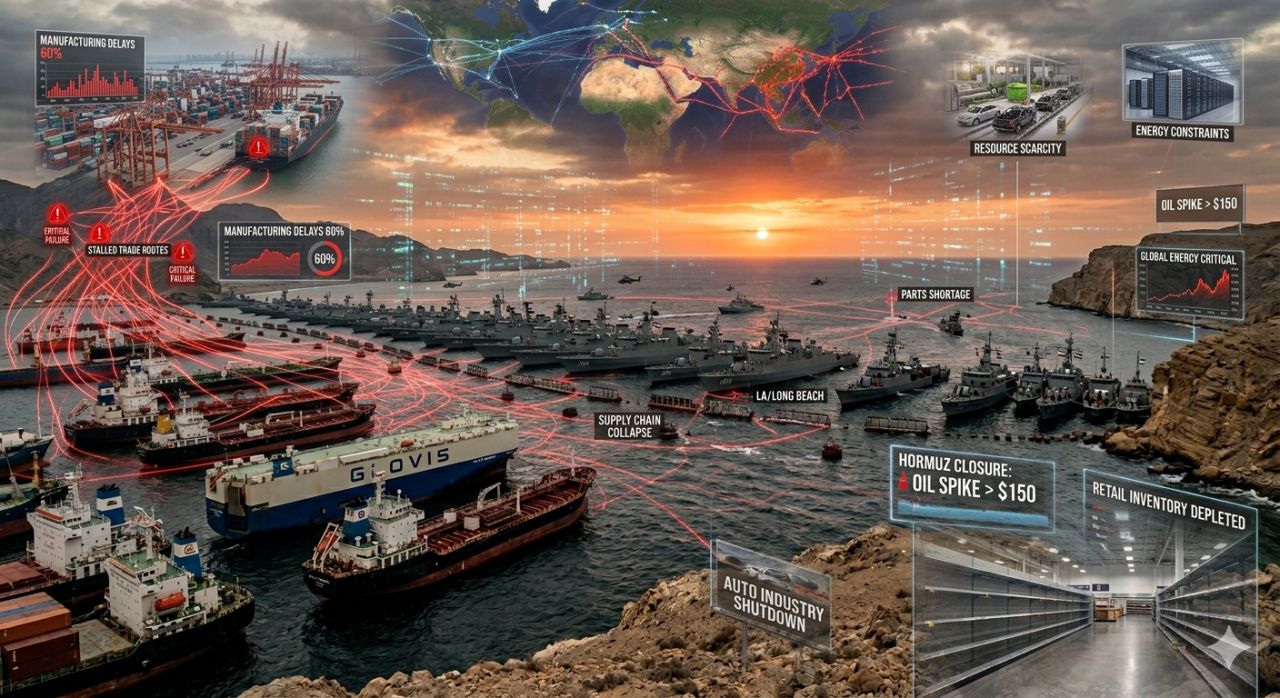
As of March 2026, the Middle East is once again reshaping global supply chains. Following U.S. and Israeli strikes on Iran at the end of February, the Strait of Hormuz — which handles ~20% of global oil and LNG — has seen vessels attacked, insurance withdrawn, and hundreds of ships stranded or rerouted. Renewed Houthi threats have also kept Red Sea uncertainty high, even after the brief reopening earlier this year. The result? Longer lead times, surging freight rates, port congestion, and unpredictable delays across Asia-Europe and Gulf routes.
In this environment, safety stock is your most powerful defense.
Safety stock is the extra inventory you hold to protect against variability in demand and supply — especially when geopolitical shocks make lead times volatile. Without it:
• Just-in-time models collapse
• Stockouts hit customer service and revenue
• Production lines stop while you wait for rerouted containers
• You pay premium air freight or expedited fees
With today’s reality — where a single escalation can add 10–14 days (or more) to ocean transit and spike costs overnight — companies that maintained adequate safety stock are the ones still delivering on time.
The smart move isn’t to overstock everything. It’s to recalculate safety stock levels using updated lead-time variability and demand forecasts, focusing first on critical SKUs and high-margin products. Tools like statistical safety stock formulas, scenario planning, and multi-sourcing strategies turn uncertainty into a competitive advantage.
Business leaders: Have you already increased safety stock buffers because of the current Middle East situation? Or are you still running lean and hoping for the best?
Drop your experience or questions in the comments — let’s discuss practical strategies that actually work in 2026.
By: Ahmed Basaleh



Leave feedback about this