

The incident involving the two regasification and storage vessels in Damietta Port was not merely a passing maritime accident, but a practical test of the Egyptian maritime transport and energy system’s ability to handle a complex crisis that could have escalated into a catastrophe threatening one of the most strategic ports in the Eastern Mediterranean.
Despite the challenging situation, the incident revealed a crucial truth: investment in port infrastructure development is not limited to constructing berths and deepening navigation channels, but also includes building a workforce capable of managing crises and making timely decisions.
The marine tugboat and rescue crews successfully executed a highly complex operation. Four tugboats secured the storage vessel’s exit to a distance of approximately 10 kilometers outside the port, while another four tugboats secured the regasification vessel and towed it approximately 3.5 kilometers offshore. Firefighting operations continued using water cannons until the fire was completely extinguished, preventing its spread to the berths and vital facilities.
This incident reveals a high level of coordination among the various entities operating within the port. It also underscores the crucial role of rapid decision-making, prior training, and contingency plans in containing the situation and minimizing losses.
From an energy industry perspective, the incident highlights the growing challenges associated with operating floating storage and regasification units (FSRUs) and liquefied natural gas (LNG) storage vessels, especially given the increasing reliance of many countries, including Egypt, on these units to enhance the security of their natural gas supplies. Therefore, safety and emergency response systems have become integral to energy security, not merely operational procedures.
The incident also emphasizes the importance of continuously modernizing tugboat fleets, enhancing marine firefighting capabilities, and expanding joint training among all relevant parties to ensure the highest levels of preparedness for any future emergency.
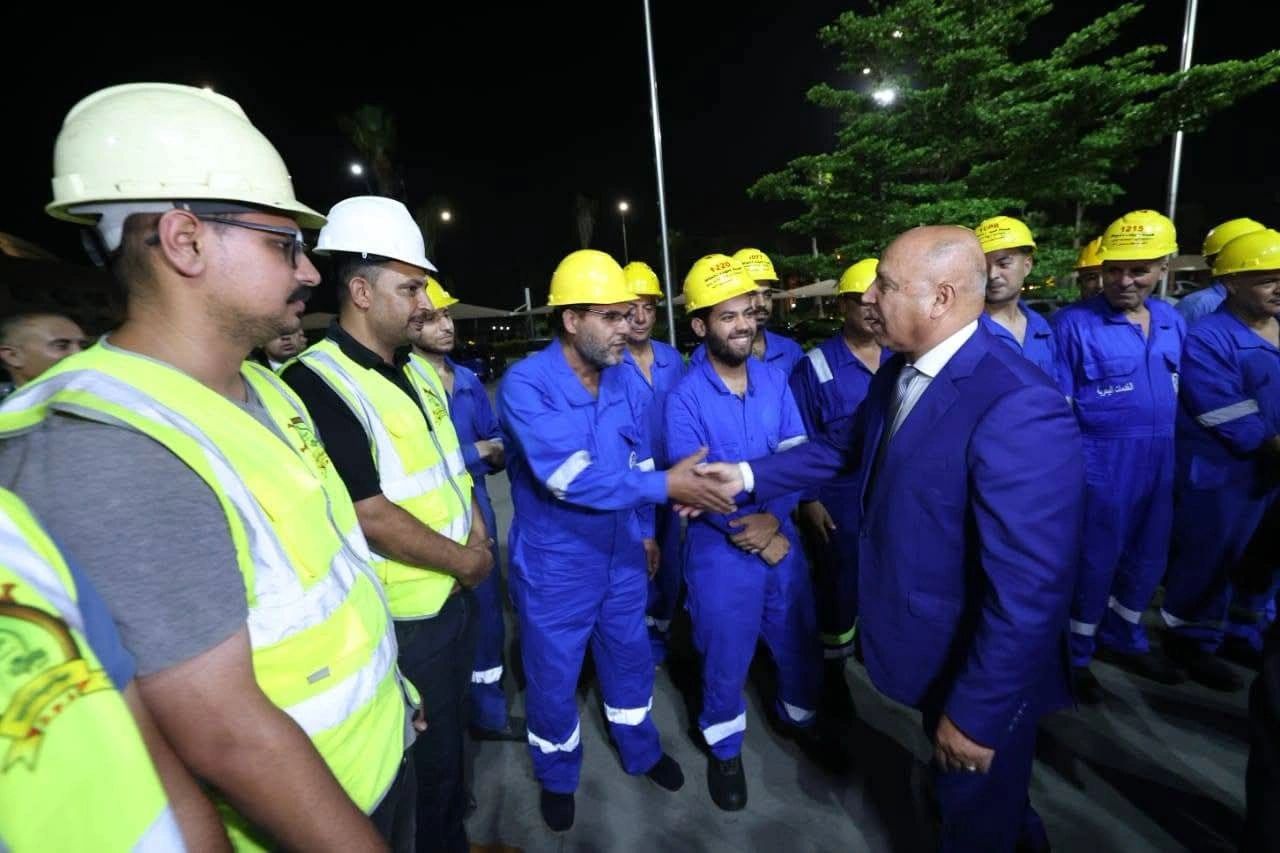
Another important lesson is that the efficiency of human resources remains the decisive factor in crisis management, regardless of the sophistication of equipment and technology. Egyptian personnel have demonstrated their ability to execute complex rescue and firefighting operations according to the highest professional standards, reinforcing confidence in the readiness of Egyptian ports to handle various operational scenarios.
Conversely, any incident of this nature presents an opportunity to review procedures and draw lessons, contributing to the development of risk management systems and raising maritime safety standards, especially given Egypt’s significant expansion in energy and natural gas projects and port development.
Ultimately, what happened at Damietta Port was not merely a successful firefighting operation, but a clear message that the Egyptian maritime transport system possesses personnel capable of protecting the nation’s strategic assets and ensuring the continuity of trade and energy flows, even under the most challenging circumstances. This is the true measure of the success of modern ports, not only in daily operations but also in their ability to manage crises efficiently and professionally.
Written by: Eng. Yara Hossam Helmy
Founder Supply Chain Community
Influential leader in the field of logistics & supply chain

Leave feedback about this